Decarboxylation, or “decarbing,” is a critical step when preparing cannabis for consumption, whether you’re making edibles or creating tinctures. In simple terms, it’s the process of activating the compounds in cannabis, such as tetrahydrocannabinolic acid (THCA), converting it into the psychoactive tetrahydrocannabinol (THC). The transformation occurs when cannabis is exposed to heat, granting access to its full range of benefits and resulting in a more potent product.
Most people are familiar with decarbing through smoking or vaporizing cannabis, which naturally heats and decarboxylates the compounds. However, if you’re making edibles or other cannabis-infused products, you’ll need to decarb cannabis at home using an oven. Doing so properly ensures the desired effect and potency, allowing you to get the most out of your material.
In this article, I’ll walk you through the steps on how to decarb cannabis, as well as explaining the science behind the process, and offering tips and tricks to make it even more effective. By the time you’re done reading, you’ll be fully equipped to decarb cannabis like a pro, resulting in more potent, enjoyable, and effective cannabis-infused products.
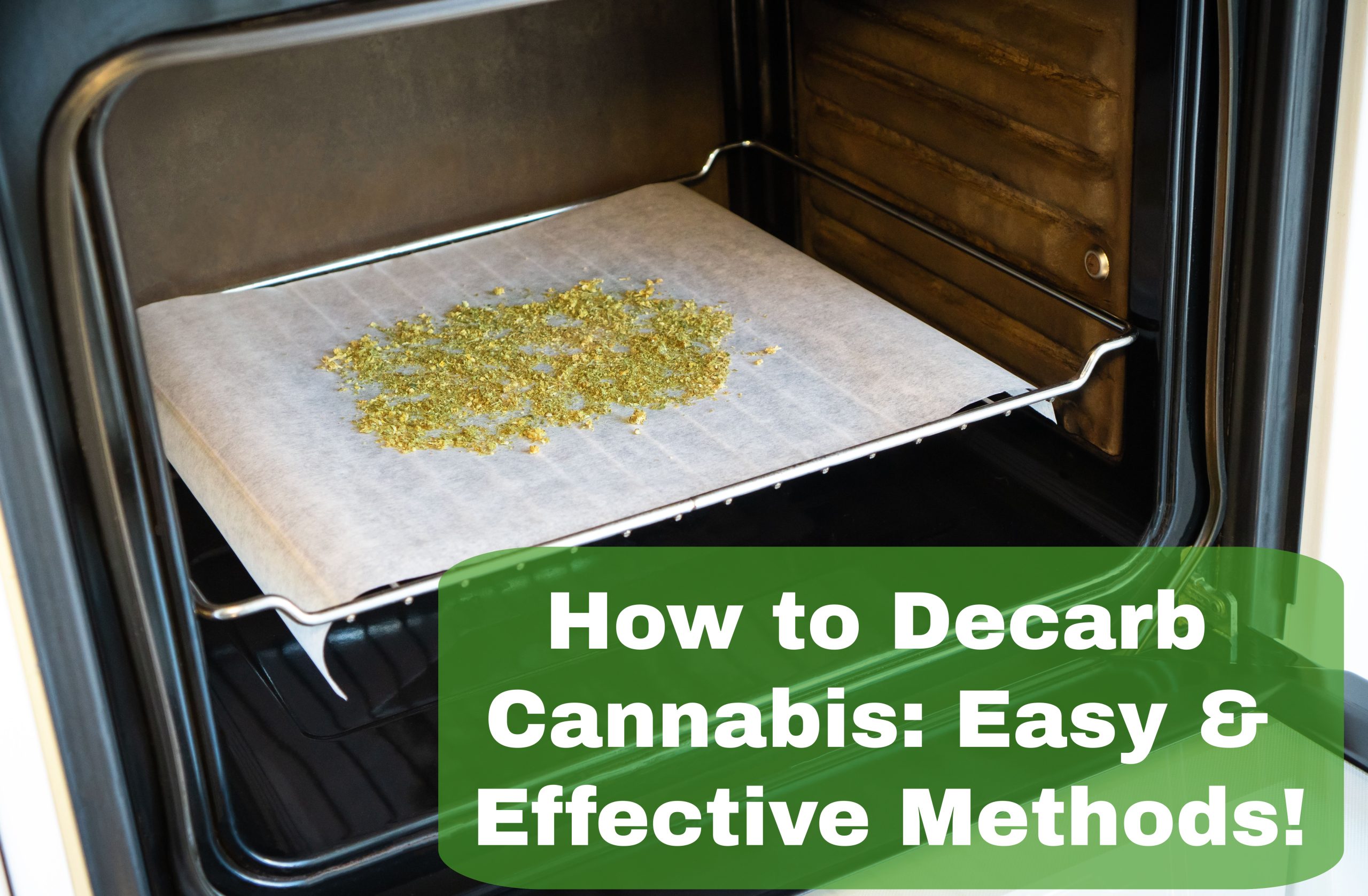
Table of Contents
Understanding Decarboxylation
Decarboxylation may sound complex, but it’s a crucial part of getting the most from your cannabis. In essence, it’s the process of activating the THC and CBD compounds found in raw cannabis flowers. I’ll explain the science behind it, its benefits, and some common methods used to decarb cannabis.
Raw cannabis contains THCA (Tetrahydrocannabinolic Acid) and CBDA (Cannabidiolic Acid), which are the inactive forms of THC and CBD. These compounds don’t produce any psychoactive effects when consumed. In order to activate THC and CBD, a chemical reaction called decarboxylation must occur. This reaction breaks down the inactive acid forms and transforms them into active compounds, giving users the desired effects.
Decarboxylation is triggered by both heat and time. Simply put, applying heat causes the carbon dioxide (CO2) to be released from the cannabinoid molecules, leaving behind the active THC and CBD. The optimal temperature for decarboxylation lies between 220°F (105°C) and 245°F (120°C). Maintaining this temperature is crucial to avoid destroying the cannabis’ potency.
Below is a table summarizing the ideal times and temperatures for decarboxylation:
| Time | Temperature |
|---|---|
| 30-45 min | 220°F (105°C) |
| 20-30 min | 245°F (120°C) |
Methods to decarb cannabis include:
- Oven decarboxylation: The most popular method where cannabis is heated in an oven. This can be effective, but it’s important to monitor the temperature closely to prevent loss of potency.
- Boiling water decarboxylation: Cannabis is sealed in a heat-resistant bag and gently boiled. This method guarantees precise temperature control and evenly distributes heat.
- Microwave decarboxylation: The least recommended method due to uneven heating and a high risk of destroying your cannabis’ potency.
In each method, the key is carefully managing temperature and time to efficiently activate THC and CBD while preserving their properties.
Note: Decarboxylation generates a strong aroma. Ensuring proper ventilation or using a sealed container can help mitigate this issue.
Safety is essential when working with cannabis, and the decarboxylation process is no exception. Taking the time to understand the science behind decarboxylation and learning how to carry out the process correctly can significantly improve your cannabis experience. Remember, decarboxylation is the key to unlocking the full potential of your cannabis.
Preparing to Decarb Cannabis
Before diving into the actual decarboxylation process, it’s essential to prepare your cannabis adequately. I’ll guide you through the necessary steps to ensure a successful decarb experience.
Step 1: Choose your cannabis strain
Selecting the right cannabis strain plays a significant role in the final product. Different strains contain varying levels of THC and CBD, so it’s crucial to know what you’re aiming for. Make sure to research various strains and their effects before settling on the one that suits your needs.
Step 2: Break down your cannabis
Properly breaking down your cannabis is crucial for even decarboxylation. To do this, follow these simple instructions:
- Using clean hands or gloves, separate the buds from the stems
- Gently break apart the buds into smaller-sized pieces, around the size of a rice grain or pea
- Avoid grinding your cannabis too finely, as this may result in undesirable combustion during the decarboxylation process
Step 3: Determine the desired potency
Decarboxylation time and temperature can be adjusted to achieve the desired strength of your final product. If you want a mild effect, aim for a shorter decarbing time, whereas if you prefer potent cannabis, you may need to decarb for a more extended period.
Step 4: Consider converting THCA to CBDA
For those who want to benefit from CBD rather than THC, decarboxylation is still required to convert THCA into CBDA. Remember to adjust the decarbing time and temperature accordingly to ensure the right conversion takes place.
Step 5: Clean equipment and workspace
Before starting the process, it’s vital to have a clean workspace and equipment. This involves cleaning your oven, baking sheets, parchment paper, and any tools needed for handling the cannabis throughout the process. This step will help prevent any contamination and ensure a quality final product.
By following these steps, you’ll be well-prepared for decarboxylating your cannabis. Now that your workspace is clean, your cannabis strain is selected, your cannabis broken down into small pieces, and your desired potency level determined, you’re ready to move on to the actual decarboxylation process. Stay tuned for the next section, where I’ll guide you through the process of temperature control and timing to achieve the perfect decarbed cannabis.
Methods for Decarbing Cannabis
Decarbing cannabis is an essential step in the process of making edibles, tinctures, and other cannabis-infused products. By removing a carboxyl group from the cannabinoids in the plant, we can ensure maximum potency and effectiveness. In this section, I’ll be discussing a few common methods used to decarb cannabis.
- Oven Decarboxylation: By far, the most popular and straightforward method for decarbing cannabis is using your oven. Here’s how to do it:
- Preheat the oven to 240°F (115°C).
- Grind or break apart the cannabis into small pieces.
- Spread the cannabis evenly on a parchment-lined baking sheet.
- Bake for 30-45 minutes, stirring periodically to ensure even heating.
- Allow it to cool before using it in recipes.
- Microwave Decarboxylation: Although not as accurate as oven decarboxylation, this method can be a faster alternative. To decarb cannabis in the microwave:
- Break the cannabis into small pieces.
- Place the cannabis in a microwave-safe dish.
- Microwave on high for about 2-3 minutes, checking and stirring every 30 seconds.
- Watch for burning or charring as microwaves can heat unevenly.
- Boiling Water Bath: This method, also known as a double boiler, is often used by those wanting more temperature control. Here’s how:
- Fill a pot with water and bring it to a simmer.
- Place the cannabis in a heat-safe container, like a glass jar or vacuum-sealed bag, and seal tightly.
- Submerge the container in the water bath, ensuring the water does not enter the container.
- Keep the temperature between 200-212°F (93-100°C) and let it simmer for 90 minutes, adding more water as needed.
- Remove from heat and let it cool before use.
- Using an Instant Pot or Pressure Cooker: If you have an Instant Pot or pressure cooker, you can use it for decarboxylation by following these steps:
- Place the cannabis in a heat-safe container and seal tightly.
- Add a trivet and 1 cup of water to the Instant Pot or pressure cooker.
- Place the sealed container on the trivet.
- Close the lid and cook on high pressure for 40 minutes.
- Allow for a natural pressure release before opening the lid.
Remember, knowing the potency of the cannabis you’re working with is important to help you determine the right method and optimal decarboxylation time. Regardless of the method used, it’s essential to monitor your cannabis during the decarbing process to avoid over- or under-decarboxylation. Thoroughly understanding these methods and finding the one that best suits your needs will ensure you create quality and potent cannabis-infused products.
Tips for Effective Decarboxylation
When it comes to decarbing cannabis, it’s crucial to understand the process in order to achieve the desired results. In this section, I’ll share some essential tips for effective decarboxylation that can help ensure success.
1. Choose the proper temperature: One of the most vital aspects of decarboxylation involves heating the cannabis to the right temperature. It’s important to stay within the recommended range of 220°F to 245°F (104°C to 118°C). Heating the cannabis too high or too low could result in loss of beneficial compounds or fail to fully activate the THC and CBD.
2. Monitor the time: Decarboxylating cannabis typically takes between 30 and 45 minutes, depending on the temperature and method used. To avoid over- or under-decarboxylating your cannabis, keep an eye on the clock, and check for visual signs of completion, such as a change in color to a light brown.
3. Grind the cannabis evenly: Before starting the process, make sure to grind the cannabis into evenly-sized pieces. This promotes consistent heat distribution and helps ensure complete decarboxylation. Avoid over-grinding, which can create a powdery consistency prone to burning.
4. Use an oven thermometer: Ovens can sometimes fluctuate in temperature, so using an oven thermometer can help maintain a consistent and accurate heat during the decarboxylation process.
Some additional factors to consider for effective decarboxylation include:
- Oxidation avoidance: Minimizing exposure to oxygen is crucial to maintain the potency and quality of your decarbed cannabis. Keep the herb covered during the process, and store it in an airtight container afterward.
- Humidity control: Too much moisture can lengthen the decarboxylation process, while too little can result in uneven heating. Store your cannabis in humidity-controlled conditions, if possible.
More decarboxylation methods to explore:
- The sous vide method: This involves vacuum-sealing cannabis and submerging it in temperature-controlled water, which can provide exceptional control over time and temperature variables.
- Microwave decarboxylation: While faster, this method can be more challenging, as it carries the risk of uneven or insufficient decarboxylation. Proceed with caution and proper research if you choose to attempt it.
These tips should help improve the effectiveness of your decarbing process, ensuring the highest possible quality and potency of your cannabis.
Ready to Decarb Cannabis?
Decarbing cannabis is an essential step in maximizing the herb’s potency and unlocking its full potential. By understanding the process, I’m better equipped to get the most out of my cannabis, regardless of how I choose to consume it.
Here’s a quick recap of what I’ve discussed in this article:
- Decarboxylation is the process of converting THCA and CBDA into their active forms, THC and CBD.
- This process involves applying gentle heat for a specific amount of time.
- Decarbing can be done at home using an oven or specialized equipment like a decarboxylator.
Remember these critical points:
- Optimal decarbing temperature is around 240°F (115°C)
- Decarbing duration is typically around 30-40 minutes for ground cannabis
- It’s crucial to keep an eye on the temperature and keep the cannabis evenly spread out for consistent results
Decarbing may seem like an extra step when preparing cannabis for consumption, but it’s a game changer when it comes to experiencing the full potential of the plant’s therapeutic effects. So, give it a try and enjoy the enhanced benefits!