Decarboxylating marijuana is a crucial step in preparing it for consumption, particularly if you’re making your own edibles or tinctures. Through this process, you’ll be converting the non-psychoactive THCA in raw cannabis into the more desired THC, giving you that sought-after high. In order to achieve the desired effect and potency, knowing the right temperature and duration for decarboxylation is key.
If you’re wondering how to decarb marijuana effectively, you’ve come to the right place. I’ll be sharing the best techniques to make the most out of your cannabis, ensuring you don’t waste any precious plant material in the process. Whether you’re a seasoned pro or new to the world of cannabis, this guide will provide valuable insights for an optimal decarbing experience.
It’s important to note that using decarboxylated marijuana in your homemade edibles or tinctures can vastly improve their potency and effectiveness. By following my tips and guidelines, you’ll be able to enjoy the full benefits of decarbed cannabis in no time. Stay tuned for the essential information and techniques!
Table of Contents
Understanding the Decarboxylation Process
Decarboxylation is the process of converting raw cannabis into its active form by removing the carboxyl group (COOH). I’ll explain why this is necessary and walk you through the basics of decarboxylating marijuana.
Cannabinoids, naturally occurring compounds found in cannabis, aren’t immediately bioavailable in raw plant material. What does this mean? It means our bodies can’t efficiently process and absorb these compounds. For instance, THCA (tetrahydrocannabinolic acid) and CBDA (cannabidiolic acid) are found in abundance in raw cannabis. These two compounds need to be decarboxylated into their more well-known counterparts, THC (tetrahydrocannabinol) and CBD (cannabidiol), to unlock their full potential.
The decarboxylation process requires heat and time. When marijuana is smoked or vaporized, the heat helps convert THCA and CBDA into THC and CBD, respectively. When consuming cannabis in the form of edibles, it’s crucial to decarboxylate the plant material before incorporating it into your recipes. By doing so, you’ll ensure that you’re reaping the benefits of THC and CBD, and not losing potency or wasting valuable material.
Here are some factors to consider when decarboxylating marijuana:
- Temperature: Using the right temperature is essential, as too much heat can destroy cannabinoids, while too little heat won’t activate them.
Why Decarb Marijuana Before Use
When it comes to using marijuana, one of the most important steps, especially if you’re ingesting it, is decarboxylation. Decarboxylation, or simply “decarbing,” is the process of heating cannabis to activate the compounds within the plant. In this section, I’ll explain the reasons for decarbing marijuana and why it’s a crucial step.
First and foremost, raw cannabis contains THCA (tetrahydrocannabinolic acid) and CBDA (cannabidiolic acid) rather than the well-known psychoactive compound, THC (tetrahydrocannabinol), and CBD (cannabidiol). The process of decarboxylation converts THCA and CBDA into THC and CBD, respectively. Without decarbing, you’ll miss out on the full range of effects that marijuana provides.
When you decarb marijuana it also increases its bioavailability. This refers to the proportion of the active substance in the plant that can be readily absorbed by your body. When you smoke or vaporize cannabis, decarboxylation occurs naturally due to the heat produced. However, when ingesting cannabis, decarbing becomes essential as it ensures you get the most out of the plant materials, providing optimal effects and benefits.
Here are some key reasons to decarb marijuana:
- Convert THCA and CBDA to THC and CBD
- Increase bioavailability for edibles and tinctures
- Unlock the full potential of cannabis’s effects and benefits
A critical point to note is that not decarbing marijuana can result in an inefficient use of the plant. This is particularly true when making edibles as it can lead to inconsistent potency levels from one batch to another. Proper decarboxylation ensures a reliable product with accurate dosing, improving safety, and reducing the risk of overconsumption.
Moreover, decarbing marijuana can help unlock its medicinal properties. For many medical marijuana users, the activation of THC and CBD is essential to alleviate various symptoms such as chronic pain, anxiety, and inflammation. Decarbing achieves this activation, making the process especially vital for those who rely on the therapeutic benefits of cannabis.
To sum up, decarboxylating marijuana is an integral step for anyone looking to use the plant effectively, particularly for ingestion purposes like edibles and tinctures. It ensures the activation of THC and CBD, increased bioavailability, and unlocks the full potential of marijuana’s effects and health benefits. Whether you’re a recreational user seeking the cannabis experience or a medical patient searching for relief, decarbing is the key to getting the most out of your marijuana.
Methods for Decarbing Marijuana
When it comes to decarbing marijuana, there are several methods I’ve tried and found effective to decarb marijuana. I’ll outline some of the most popular techniques in this section, helping you decide which one is best for you.
The Oven Method: This is probably the most common way of decarbing marijuana. Here’s a step-by-step process:
- Preheat the oven to 240°F (115°C).
- Grind your marijuana into small, even pieces.
- Place a sheet of parchment paper on a baking sheet.
- Evenly spread your marijuana on the parchment paper.
- Bake for 30-45 minutes, stirring occasionally to ensure even decarbing.
- Remove from the oven, and let it cool thoroughly.
Keep in mind, ovens can have hot spots that might cause uneven decarbing. Make sure to monitor the temperature closely.
The Slow Cooker Method: Using a slow cooker or a Crock-Pot for decarbing is a popular technique that provides steady, low heat. Follow these steps:
- Fill your slow cooker with water until it’s an inch in depth.
- Place your marijuana in a mason jar, and seal the jar tightly.
- Submerge the sealed jar in the water, ensuring it’s fully covered.
- Set the slow cooker to a low heat setting (around 200°F/93°C) for 8-10 hours.
- Carefully remove the jar from the heat (use oven mitts), and allow it to cool.
The Sous Vide Method: This method utilizes an immersion circulator and vacuum-sealed bags. Here’s how you do it:
- Set your immersion circulator to 203°F (95°C).
- Vacuum-seal your marijuana in a food-safe bag.
- Submerge the sealed bag in the water bath created by the immersion circulator.
- Allow your marijuana to decarb for 1.5-2 hours.
- Remove the bag from the water and let it cool before opening.
To recap, here are the primary methods of decarbing marijuana:
- The Oven Method: Accessible and straightforward but with a need for careful temperature monitoring.
- The Slow Cooker Method: Low, even temperature with less monitoring, but it takes longer.
- The Sous Vide Method: Provides precise temperature control and even heating but requires specialized equipment.
Keep in mind that these methods vary in terms of equipment needed, time spent, and level of preciseness. It’s essential to choose the method that works best for you based on your preferences, means, and goals.
Step-by-Step Guide to Decarboxylating Your Cannabis
Decarboxylating, or “decarbing,” your cannabis is an essential step for your favorite infused recipes. Here’s a step-by-step guide to help make the process a breeze.
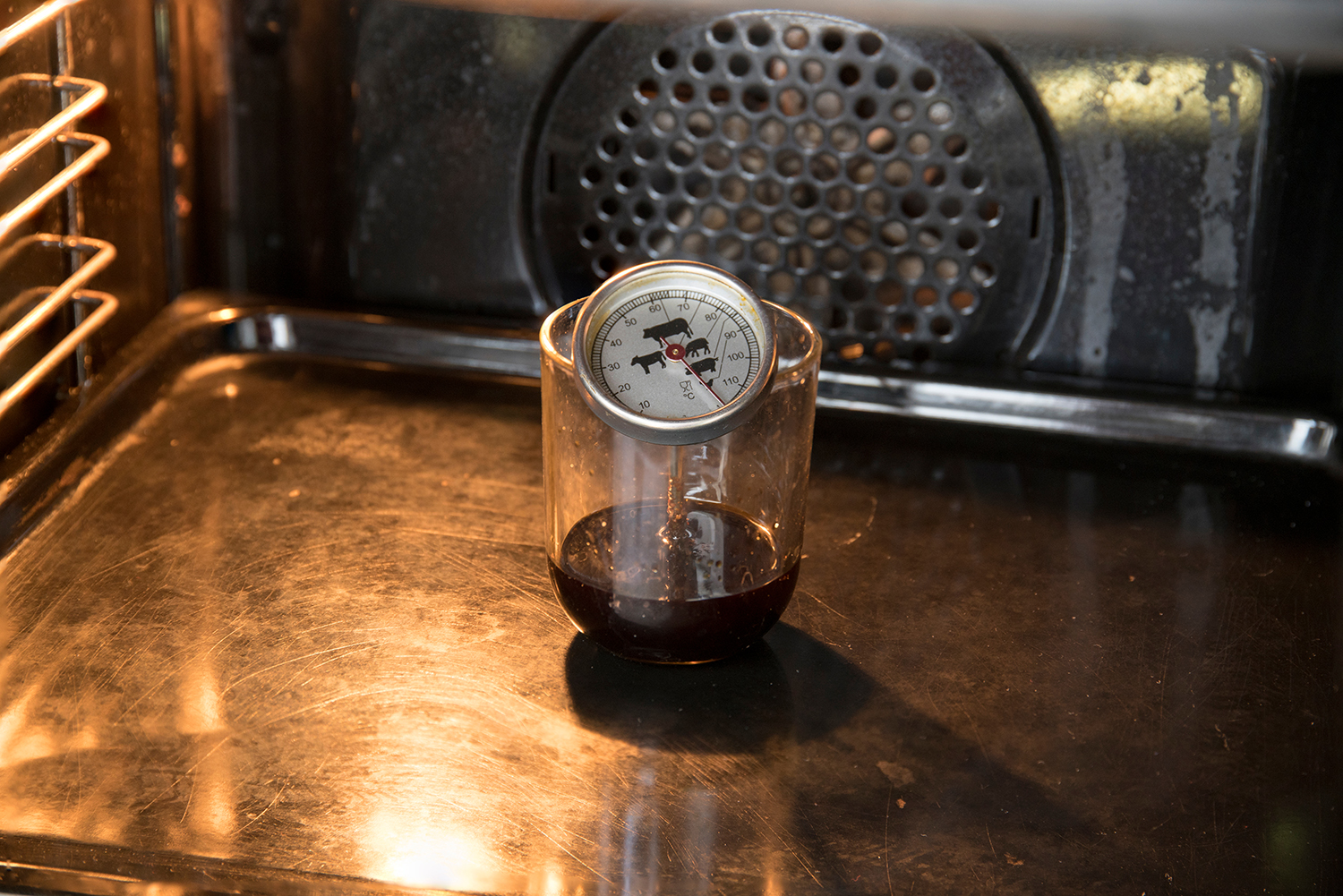
Step 1: Preheat your oven
Before getting started, it’s essential to preheat your oven to the desired temperature. I’ve found that 230°F (110°C) works best for most cannabis strains without compromising flavor or potency.
Step 2: Break up the cannabis buds
There’s no need for a grinder, but you do want to ensure even heating throughout. Just break up the cannabis buds by hand, ensuring they’re roughly the size of a popcorn kernel. No need to be too precise with this step.
Step 3: Set up your baking sheet
Line a baking sheet with parchment paper to prevent sticking and make the process cleaner. Spread your broken up buds over the baking sheet, ensuring they’re evenly distributed.
Step 4: Bake your cannabis
Place the baking sheet in your preheated oven for approximately 30-45 minutes. At the 15-minute mark, pause for a moment to give them a gentle stir. The process should convert THCA into THC, resulting in a decarbed cannabis ideal for cooking or tinctures. Tips for optimal results:
- Keep an eye on your cannabis as it bakes, since each oven may heat differently.
- Ensure even distribution, as this prevents any hotspots or uneven decarboxylation.
Step 5: Cool your cannabis
Allow your decarbed cannabis to cool down completely before handling it. Cooling is essential, as it permits the cannabinoids to fully activate, which ensures maximum potency.
Step 6: Store your decarbed cannabis
Once cooled, transfer your decarbed cannabis to an airtight container for storage. Be sure to label your container with the cannabis strain and decarboxylation date. Keep in a cool, dark place to ensure long-lasting potency.
Here’s a recap of the process:
| Step | Description |
|---|---|
| 1. Preheat your oven | Set the oven temperature to 230°F (110°C). |
| 2. Break up the cannabis buds | Break by hand into popcorn kernel-sized pieces. |
| 3. Set up your baking sheet | Line with parchment paper and evenly distribute the broken up cannabis. |
| 4. Bake your cannabis | Bake for 30-45 minutes, stirring gently at the 15-minute mark. |
| 5. Cool your cannabis | Allow it to cool completely before handling. |
| 6. Store your decarbed cannabis | Transfer to an airtight container and store in a cool, dark place. |
By following these steps, you’ll be well on your way to decarbing your cannabis and unlocking its full potential for your infused recipes or tinctures. Happy decarbing!
Ready to Decarb Marijuana?
When it comes to effectively decarb marijuana, it’s essential to understand the process and follow the necessary steps. My goal in this article has been to provide a comprehensive guide on how to decarb marijuana, ensuring you can make the most out of your cannabis-infused products.
Some key takeaways to remember when you decarb marijuana are:
- Decarboxylation is a necessary process to activate THC and CBD in raw cannabis.
- Temperature plays a critical role in decarbing, with the ideal range being 220°F-240°F (104°C-115°C).
- The optimal decarbing time varies in accordance with the desired product, generally ranging from 30 to 45 minutes.
- It’s vital to monitor the process consistently to prevent burning or under-decarboxylation of the marijuana.
With this information at your disposal, you should now feel confident in your ability to decarb marijuana for various purposes. Whether you’re planning to concoct edibles, tinctures, or topicals, I hope this guide has helped demystify the process and set you on the path to success. So go ahead, put these insights to use, and enjoy the benefits of properly decarbed cannabis!